








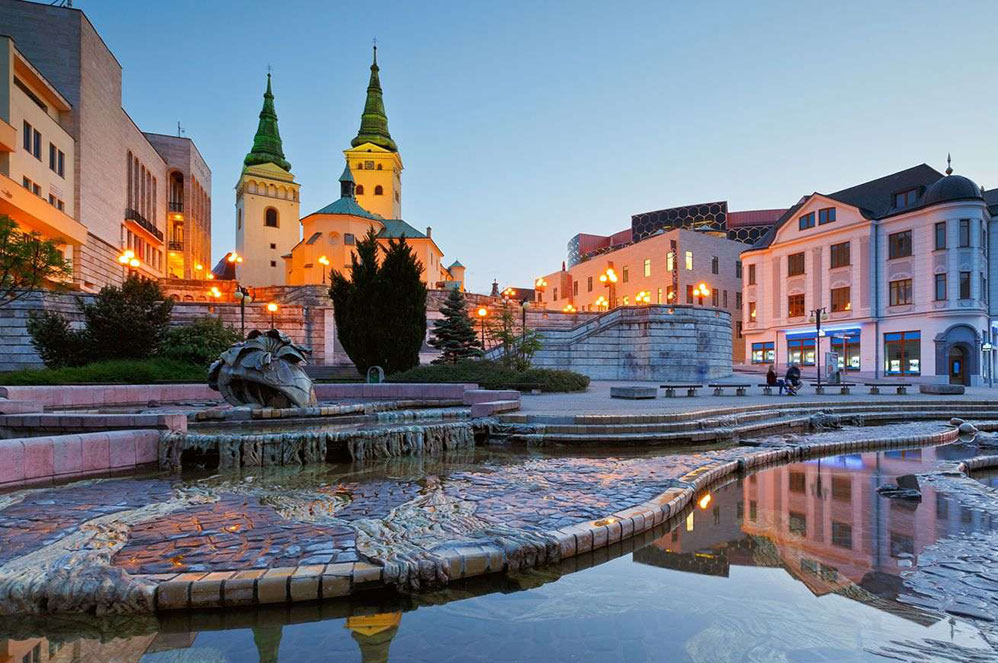
Žilina is exceptional for Citymind because the impact of AI chatbot on the web is not only based on operational data, but also on independent expert research from real city operations.
In most case studies today, we see that AI chatbots on the web help to answer faster, save time and make information available outside of business hours. But in Žilina, there is an extra layer to this: a systematic evaluation that shows what such a solution actually does to the city’s communication in practice.
The pilot operation ran from 1 July 2025 to 1 January 2026. Citymind and the Faculty of Public Administration of the Pavol Jozef Šafárik University in Košice participated in the technical implementation alongside the city. The result is not only an interesting deployment, but also a valuable basis for other Slovak cities that want to think about AI in a substantive and data-driven way.
Why this case study is different
Smart Cities Klub describes Žilina as a Living Lab. This fits well. The city wasn’t just checking if the chatbot was responding. It was checking when people actually needed help, what topics the chatbot was strongest at, and where the data showed room for better content or more accurate navigation.
“In Žilina, we believe that AI can help make city hall more accessible and ‘more human.’ “
Peter Fiabáne, Mayor of Žilina
What research has shown
This is where Žilina is extremely convincing. Research conducted by the Faculty of Public Administration of the Pavol Jozef Šafárik University in Košice and led by Milan Douša, PhD. showed that the chatbot served thousands of queries in six months and delivered a very tangible operational impact for the city.
Strongest moment? The chatbot achieved a 98.8% success rate in the building authority agenda . This is an exceptionally strong result precisely because it is not a simple FAQ layer, but an area that tends to be complex, sensitive and time-consuming for citizens.
What topics did people address
The thematic reality of urban communication is also clearly visible from the research. Most often people dealt with waste and small construction waste, ID cards, passport fees, contacts or the construction agenda. At the same time, it became clear that cultural information was an area where content on the website needed to be added or better updated.
And that’s exactly the type of insight that has long-term value for the city. Chatbot isn’t just a new channel here. It also helps reveal what citizens are really addressing, when they ask questions, and where it makes sense to develop services further.
The success of the Žilina chatbot offers other municipalities a great example of good practice and shows how to make the most of modern technology for the everyday life of residents.